Data Center Rack Layout: 5 Best Practices for Efficiency & Scalability

Optimizing Your Data Center Rack Layout for Efficiency and Scalability

Optimizing Your Data Center Rack Layout for Efficiency and Scalability

In the rapidly evolving world of data centers, an efficient rack layout is crucial for optimizing performance and scalability. This page explores the significance of a well-planned data center rack layout, detailing how it can enhance operational efficiency, reduce energy consumption, and improve cooling management. With the increasing demand for AI-driven solutions, understanding the intricacies of rack layout is essential for businesses aiming to maximize their digital infrastructure. We delve into best practices, innovative designs, and the latest technologies that support effective rack layouts, ensuring your data center can adapt to future needs while maintaining peak performance. Discover how a strategic approach to rack layout can lead to sustainable growth in your computing capacity and digital operations, paving the way for a robust and intelligent digital ecosystem.
Get A Quote

Advantages of the product

Enhanced Space Utilization

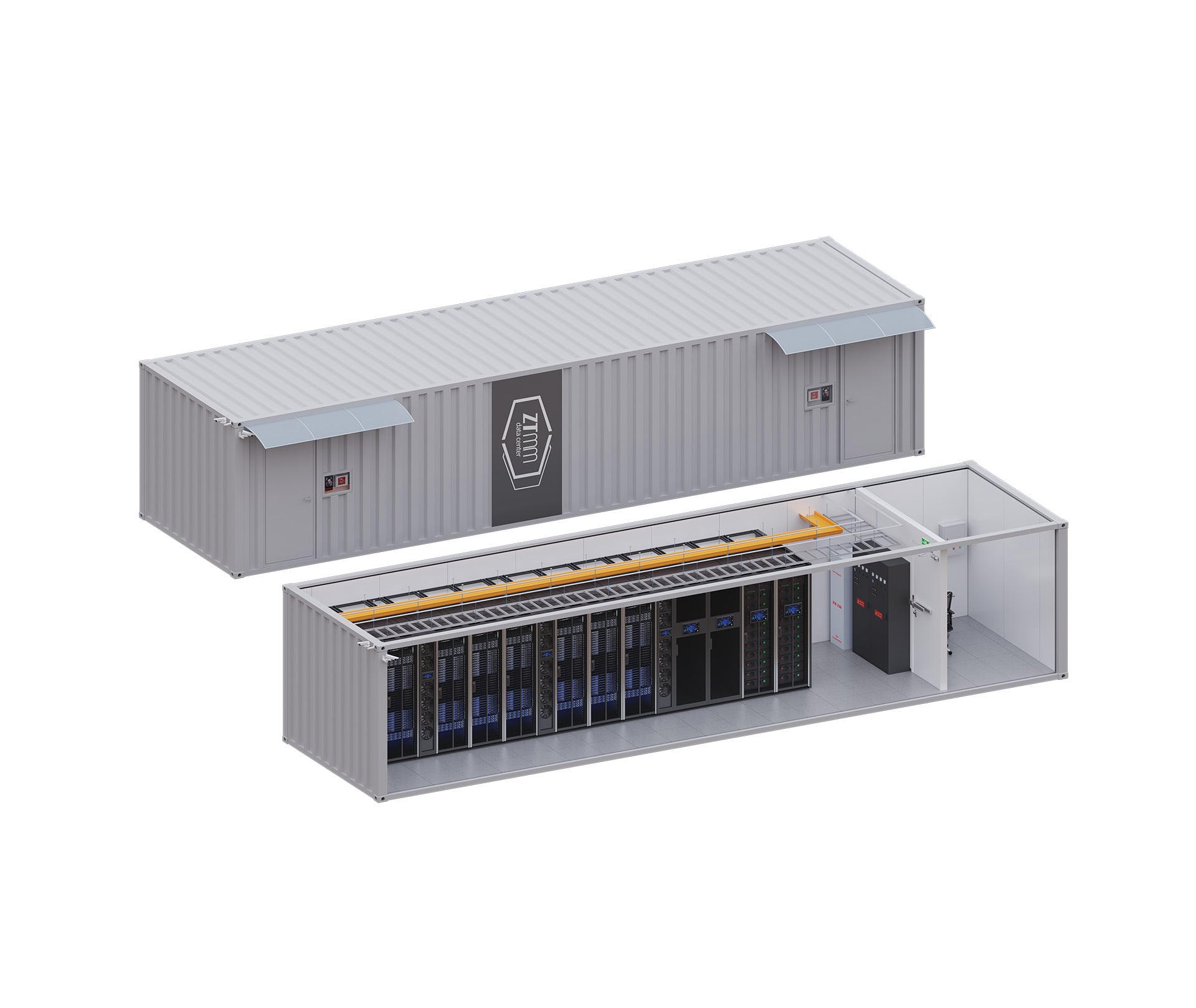
A well-structured data center rack layout allows for optimal use of available space, enabling businesses to maximize their infrastructure. By strategically placing equipment and organizing cabling, companies can reduce clutter and improve accessibility. This not only enhances operational efficiency but also facilitates easier maintenance and upgrades, ultimately leading to reduced downtime and increased productivity.

Improved Cooling Efficiency

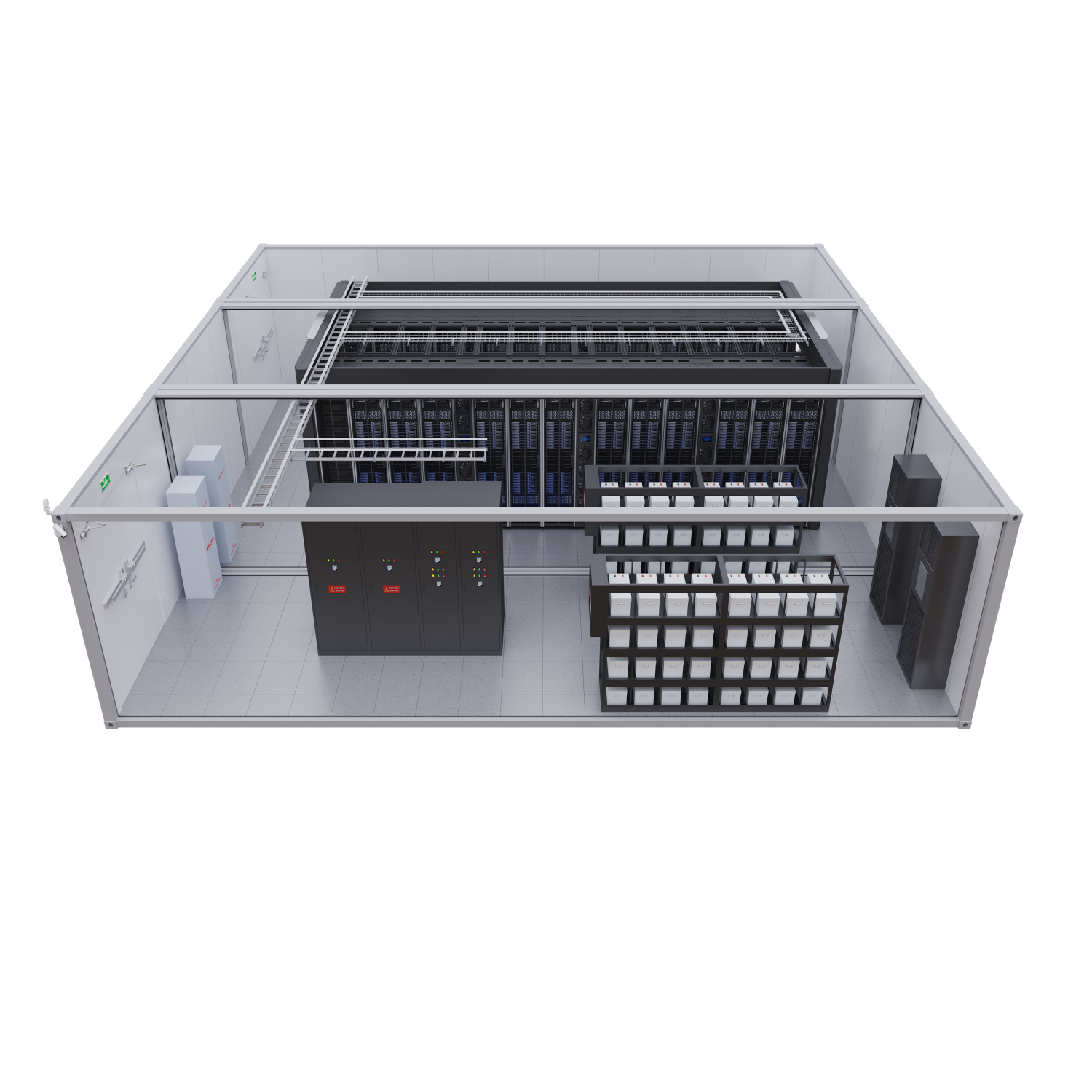
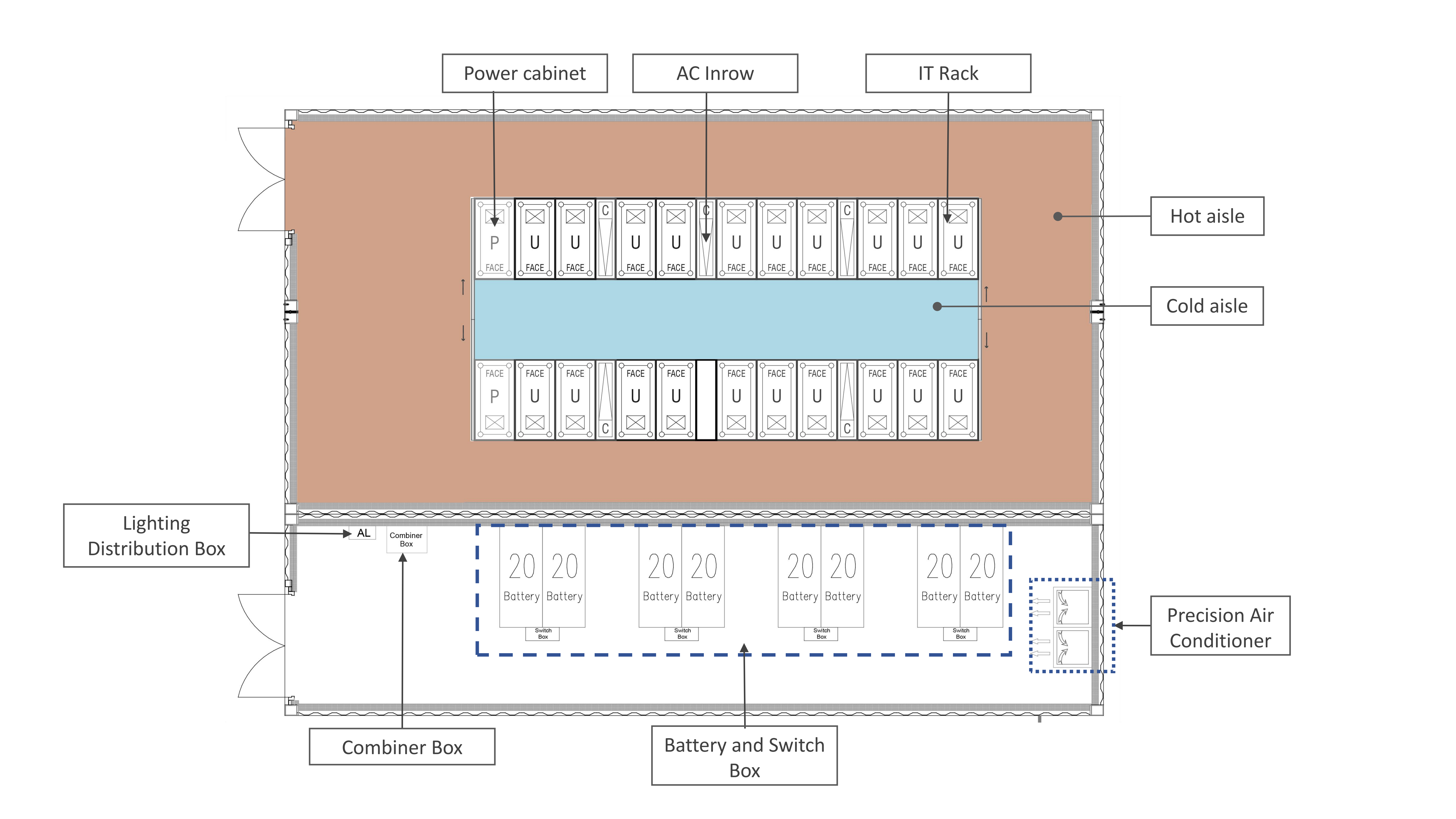
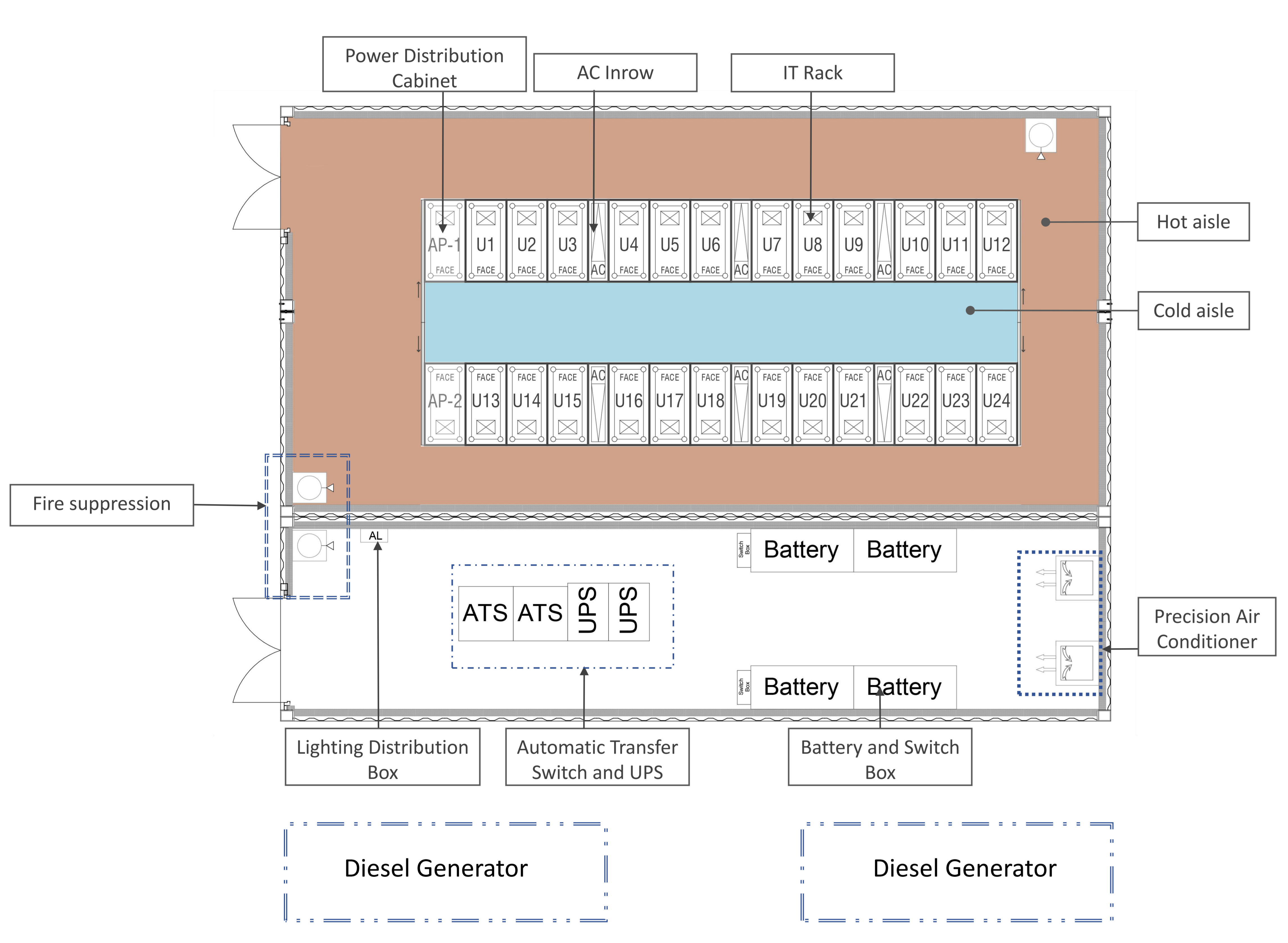
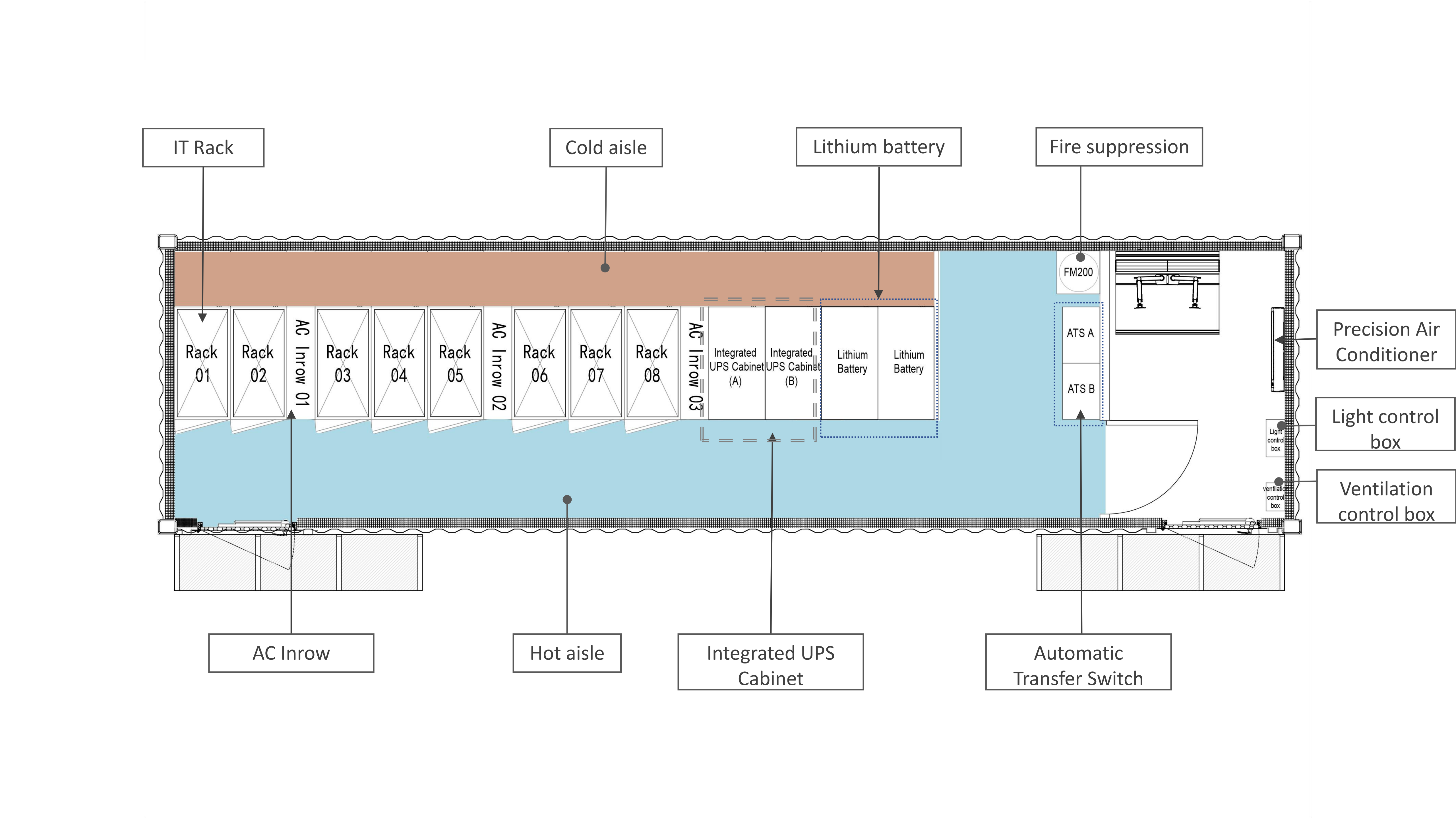
Effective rack layout is essential for maintaining optimal cooling conditions within a data center. By implementing hot aisle/cold aisle configurations, businesses can ensure that airflow is maximized, minimizing the risk of overheating. This proactive approach to cooling management leads to lower energy consumption and operational costs, while also extending the lifespan of critical equipment. A well-planned layout directly contributes to a more sustainable and cost-effective data center environment.

Scalability and Flexibility

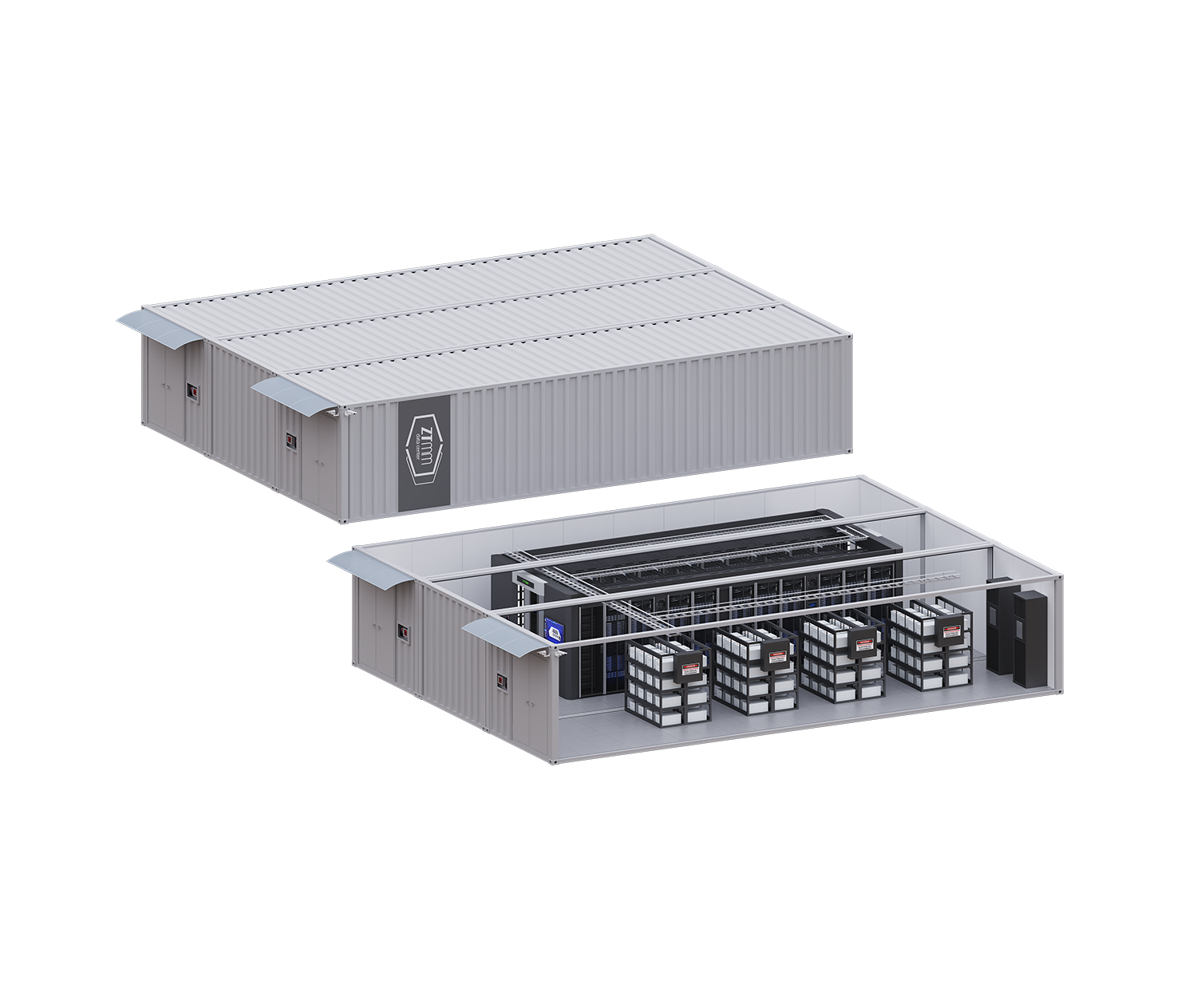
As businesses grow, their data center needs evolve. A thoughtfully designed rack layout offers the flexibility to scale operations without significant disruptions. By incorporating modular designs and adaptable configurations, organizations can easily add or rearrange equipment as needed. This adaptability not only supports current business demands but also prepares data centers for future technological advancements, ensuring long-term viability and success.

Related products

The layout of a data center rack is a critical factor that influences the overall performance and efficiency of the facility. A well-designed rack layout not only optimizes space but also enhances cooling efficiency and simplifies maintenance. In today’s data-driven environment, where AI and cloud computing are at the forefront, the need for a strategic approach to rack layout has never been more pressing. Implementing best practices in rack layout, such as hot aisle/cold aisle configurations, can significantly improve airflow management. This method organizes servers in alternating rows, allowing cool air to flow directly to the front of the servers while hot air is expelled from the back. Such practices ensure that equipment operates within optimal temperature ranges, reducing the risk of overheating and potential failures. Moreover, a well-planned rack layout aids in efficient cable management, which is crucial for both performance and maintenance. By organizing cables neatly and strategically, technicians can quickly identify and resolve issues, minimizing downtime and enhancing productivity. Additionally, as businesses expand, a flexible rack layout allows for the easy addition of new equipment without necessitating a complete overhaul of the existing setup. In conclusion, investing time and resources in optimizing your data center rack layout is essential for achieving operational excellence and long-term growth. By focusing on efficiency, cooling management, and scalability, organizations can create a robust digital infrastructure that meets current and future demands.
Frequently Questions

What factors should I consider when designing a data center rack layout?

When designing a data center rack layout, consider factors such as space availability, cooling requirements, power distribution, and future scalability. It’s essential to plan for airflow management, cable organization, and equipment accessibility to ensure efficient operations. Prioritizing these elements will enhance performance and reduce operational costs in the long run.
A well-planned rack layout optimizes airflow and cooling efficiency, which directly impacts energy consumption. By implementing configurations like hot aisle/cold aisle, businesses can reduce the workload on cooling systems, leading to lower energy bills. Efficient layouts also minimize the risk of equipment overheating, extending the lifespan of critical components and reducing replacement costs.
Yes, existing rack layouts can often be modified to enhance efficiency. Simple changes, such as reorganizing equipment, improving cable management, and implementing airflow optimization strategies, can yield significant benefits. It’s advisable to conduct an assessment of your current layout to identify areas for improvement that align with your operational goals.
Modular rack systems provide flexibility and scalability, allowing businesses to adapt their data center infrastructure as needs change. These systems facilitate easy upgrades and expansions without requiring significant downtime or reconfiguration. Additionally, modular designs often improve space utilization and cooling efficiency, making them an excellent choice for modern data centers.

Related article

Traditional Data Center Challenges and Modern Asset Management Solutions for Modular Data Centers

09

Jul

Traditional Data Center Challenges and Modern Asset Management Solutions for Modular Data Centers

View More
What Is a Containerized Data Center? A Beginner's Guide

03

Aug

What Is a Containerized Data Center? A Beginner's Guide

What Is a Containerized Data Center? A containerized data center is a modular IT infrastructure solution designed inside a transportable enclosure, often based on standard container dimensions or purpose-built modular structures. It integrates essent...
View More
How Modular Data Center Vendors Support Fast Deployment

04

Aug

How Modular Data Center Vendors Support Fast Deployment

Off-Site Manufacturing and Standardized Assembly Improve Data Center Deployment Efficiency Modular data center vendors accelerate infrastructure deployment by shifting a significant portion of construction activities from the traditional job site to ...
View More
Container-Based Data Center: Benefits and Common Use Cases

05

Aug

Container-Based Data Center: Benefits and Common Use Cases

What Is a Container-Based Data Center? A container-based data center is a self-contained IT infrastructure solution built inside a transportable enclosure, commonly based on standard ISO container dimensions. It integrates essential data center compo...
View More

Customer Testimonials

John Smith
Transformative Rack Layout Solutions

The new rack layout significantly improved our data center’s efficiency. We noticed a decrease in cooling costs and better airflow management. It’s a game-changer for our operations!

Sarah Johnson
Exceptional Flexibility and Performance

Our team was impressed with how easy it was to adapt our existing rack layout. The modular design allowed us to scale up quickly without disruption. Highly recommend!

Get a Free Quote

Our representative will contact you soon.
Email
Name
Company Name
Message
0/1000
Strategic Airflow Management

Strategic Airflow Management

Implementing a strategic airflow management system through an effective rack layout can drastically improve cooling efficiency. By utilizing hot aisle/cold aisle configurations, businesses can ensure that cool air is directed to the front of servers while hot air is expelled at the back. This method not only reduces energy consumption but also prolongs the life of critical equipment. Furthermore, improved airflow management minimizes the chances of overheating, which is crucial in maintaining optimal operational performance. The result is a data center that operates efficiently, reduces operational costs, and supports sustainable growth in computing capacity.
Optimized Space Utilization

Optimized Space Utilization

A well-planned rack layout allows for optimal use of available space, enabling businesses to maximize their infrastructure. By strategically placing equipment and organizing cabling, companies can reduce clutter and improve accessibility. This not only enhances operational efficiency but also facilitates easier maintenance and upgrades, ultimately leading to reduced downtime and increased productivity. An optimized layout can accommodate future growth, allowing organizations to expand their capabilities without significant overhauls or disruptions.
Future-Ready Infrastructure

Future-Ready Infrastructure

Investing in a flexible and scalable rack layout is essential for future-proofing your data center. As technology evolves, the demands on data centers will continue to change. A modular approach allows for easy integration of new technologies and equipment, ensuring that your infrastructure remains relevant and efficient. By prioritizing adaptability in your layout design, organizations can seamlessly navigate the complexities of digital transformation, positioning themselves for long-term success in an increasingly competitive landscape.