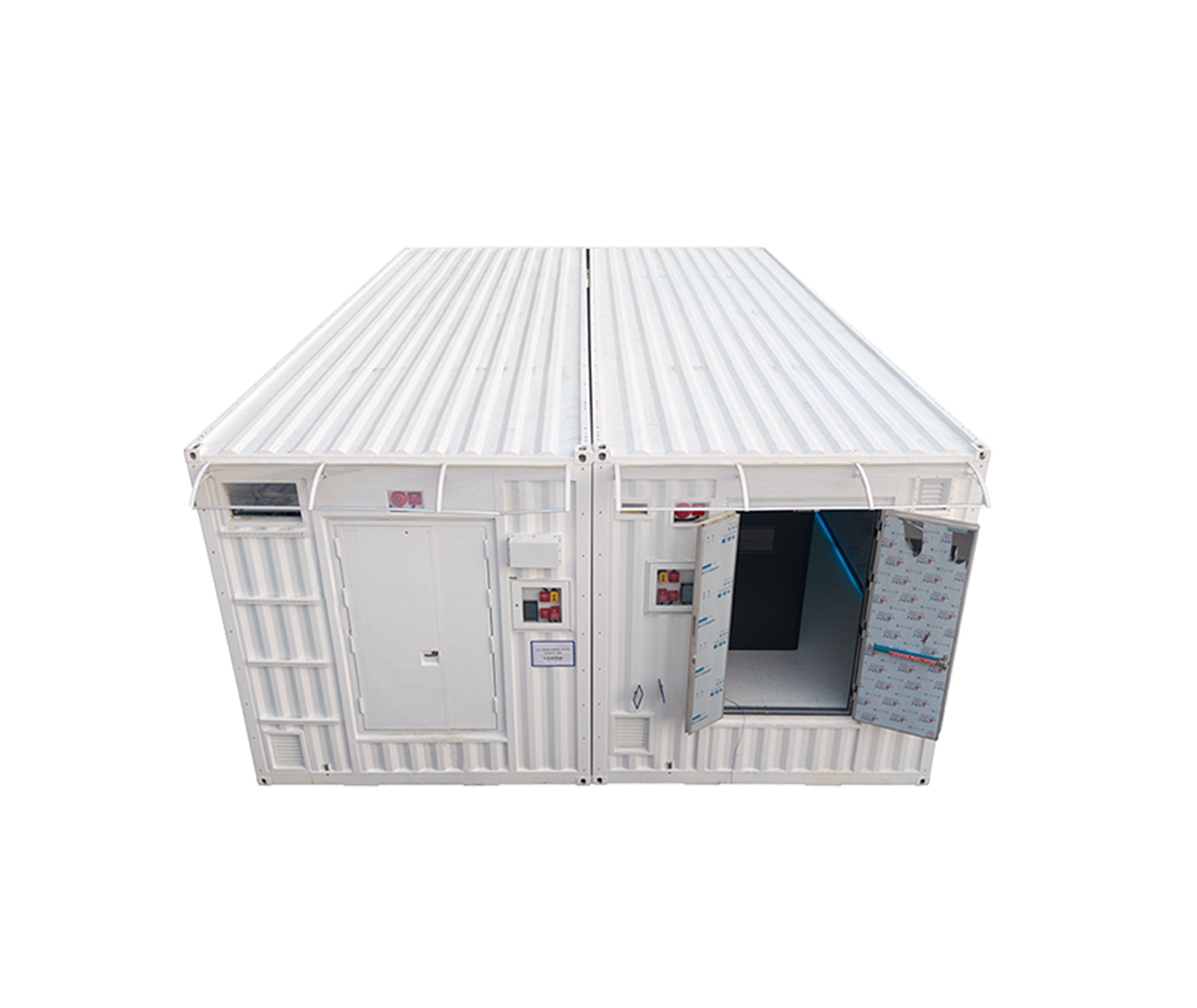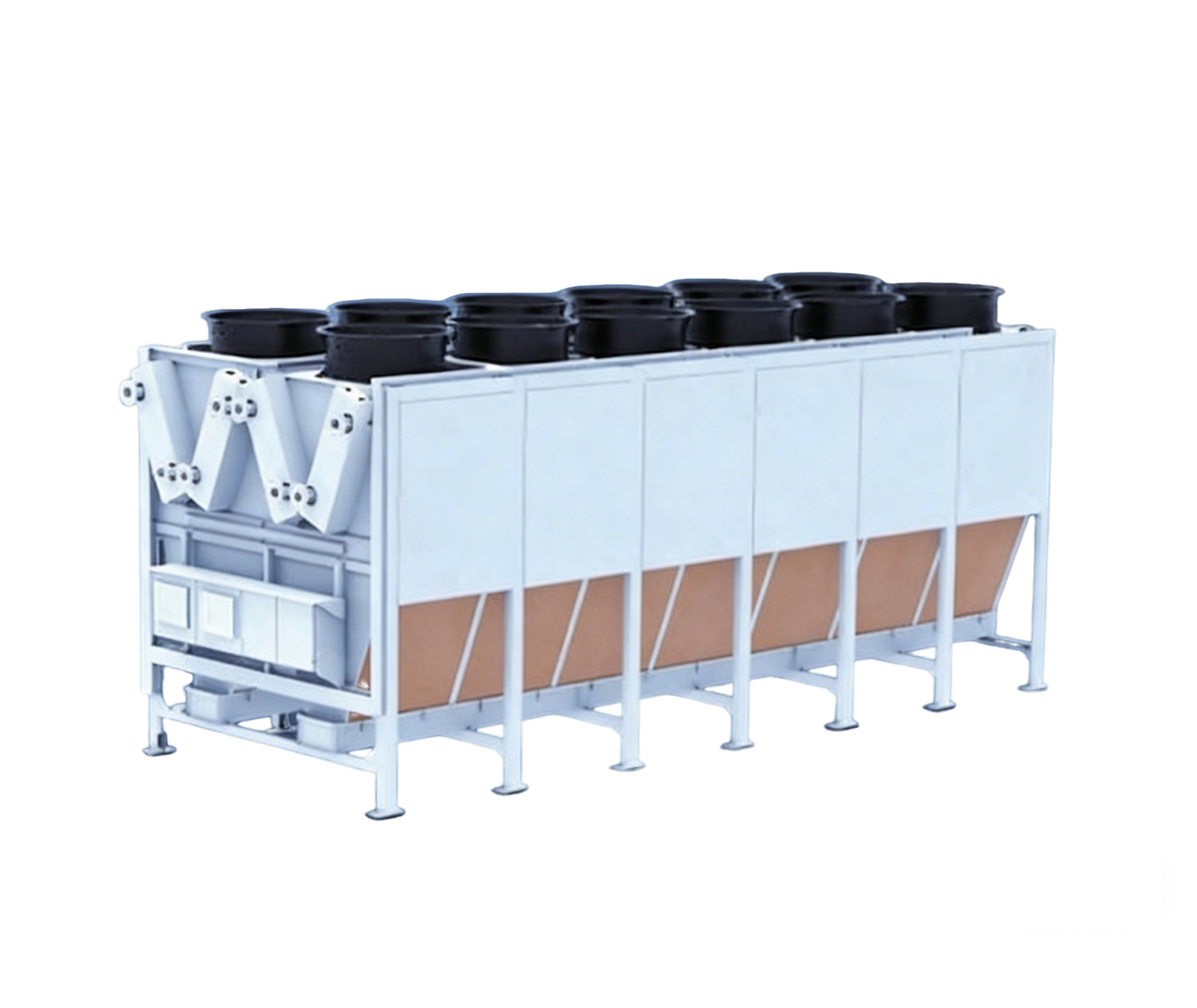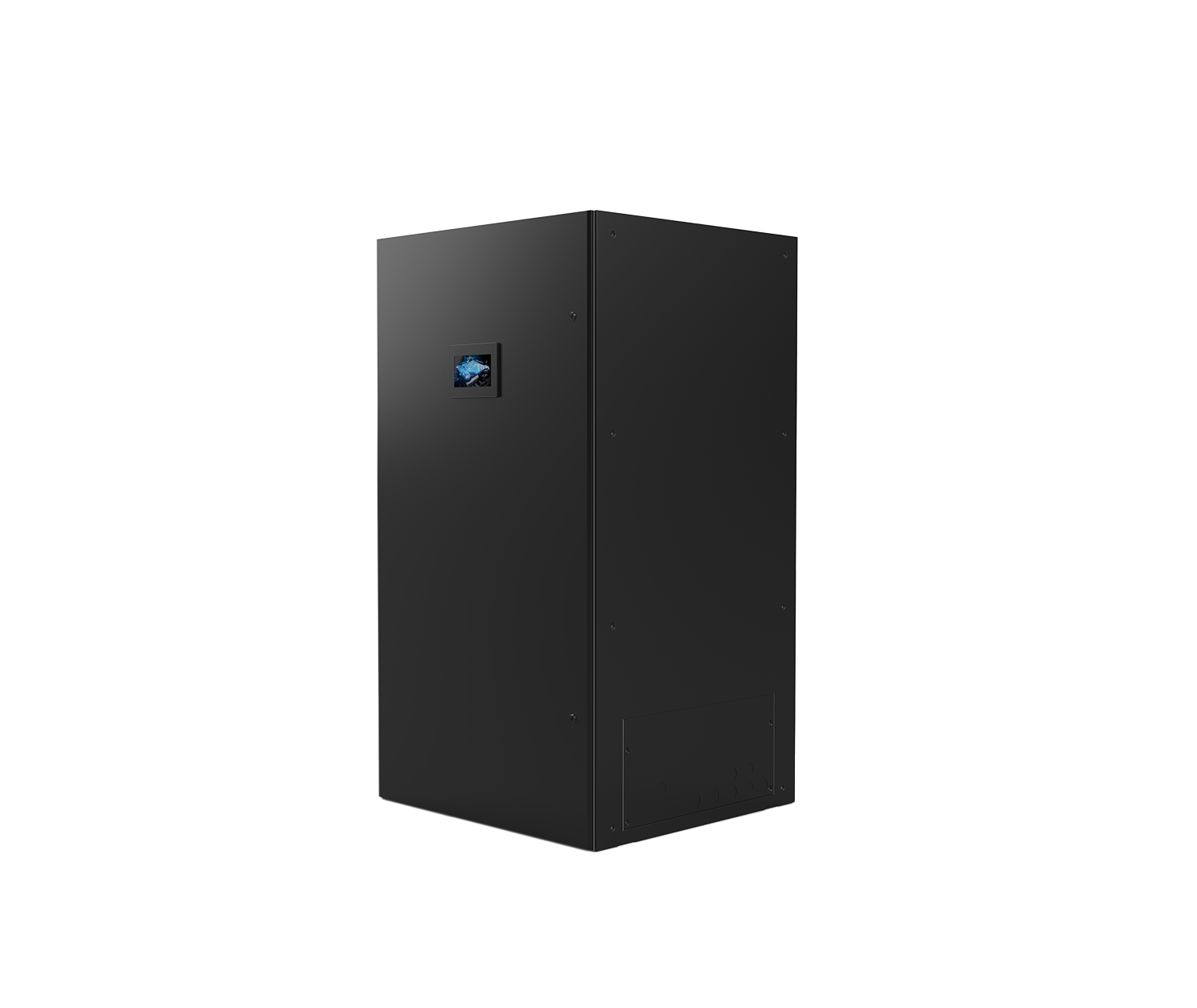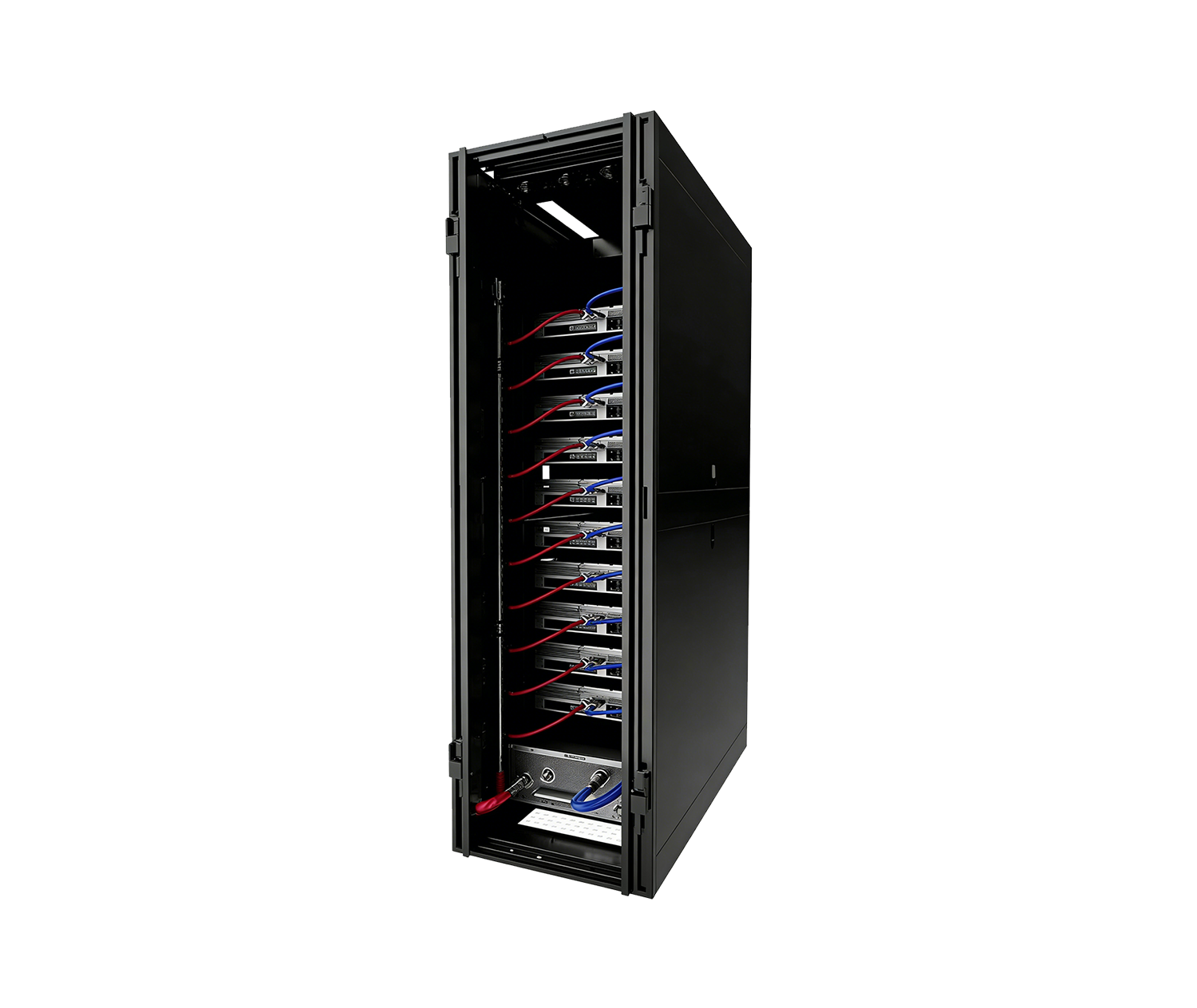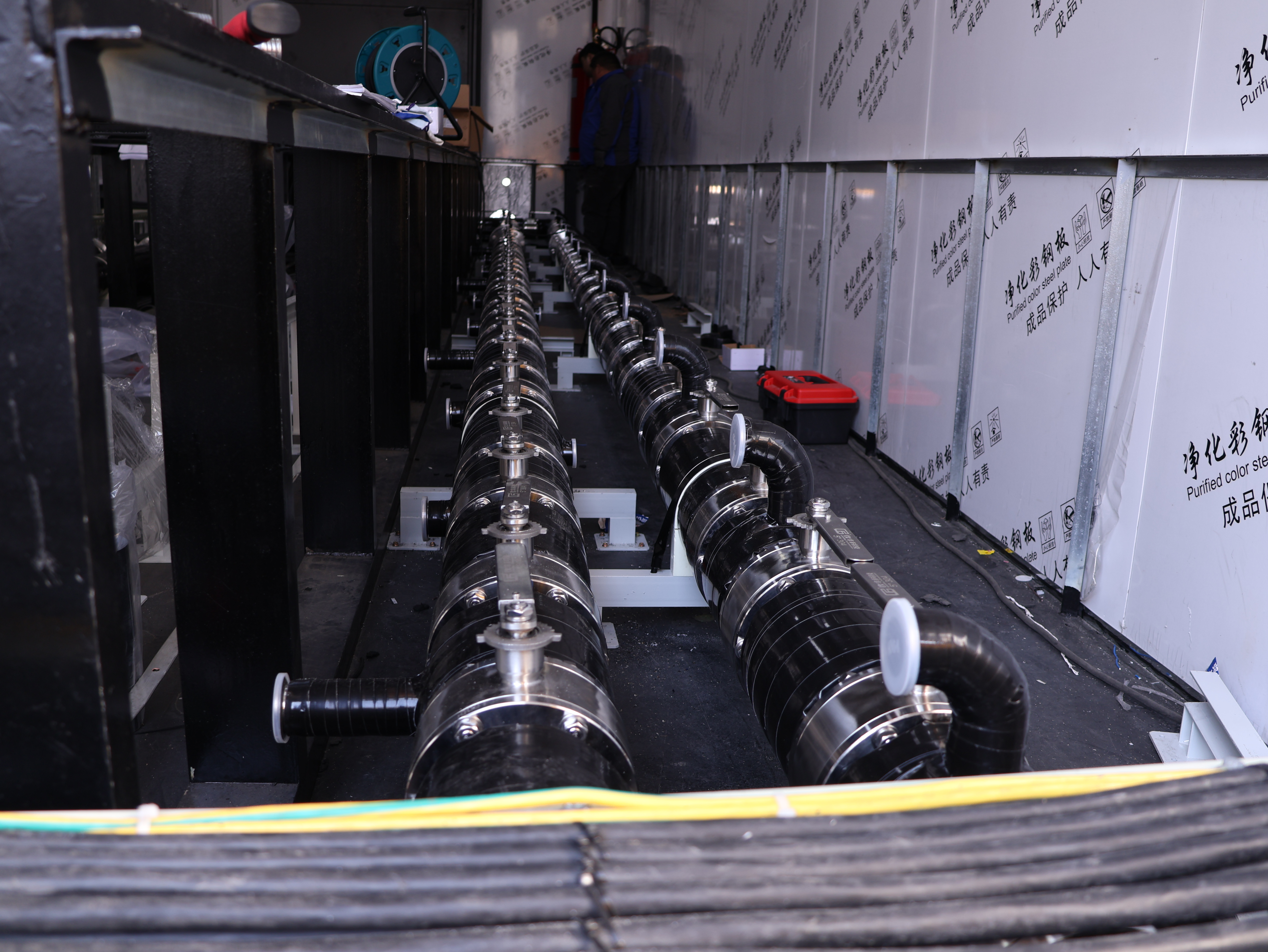
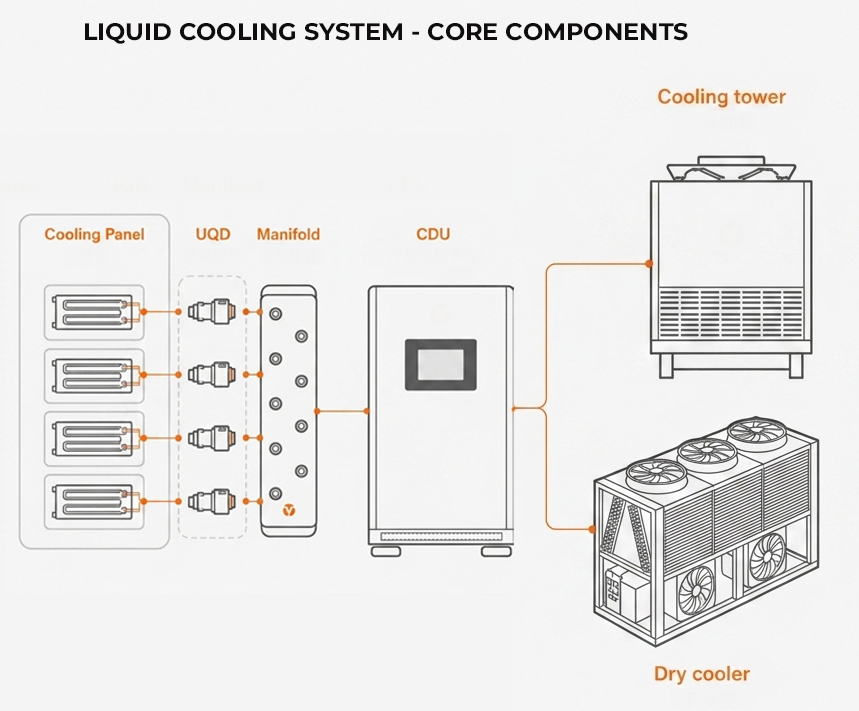
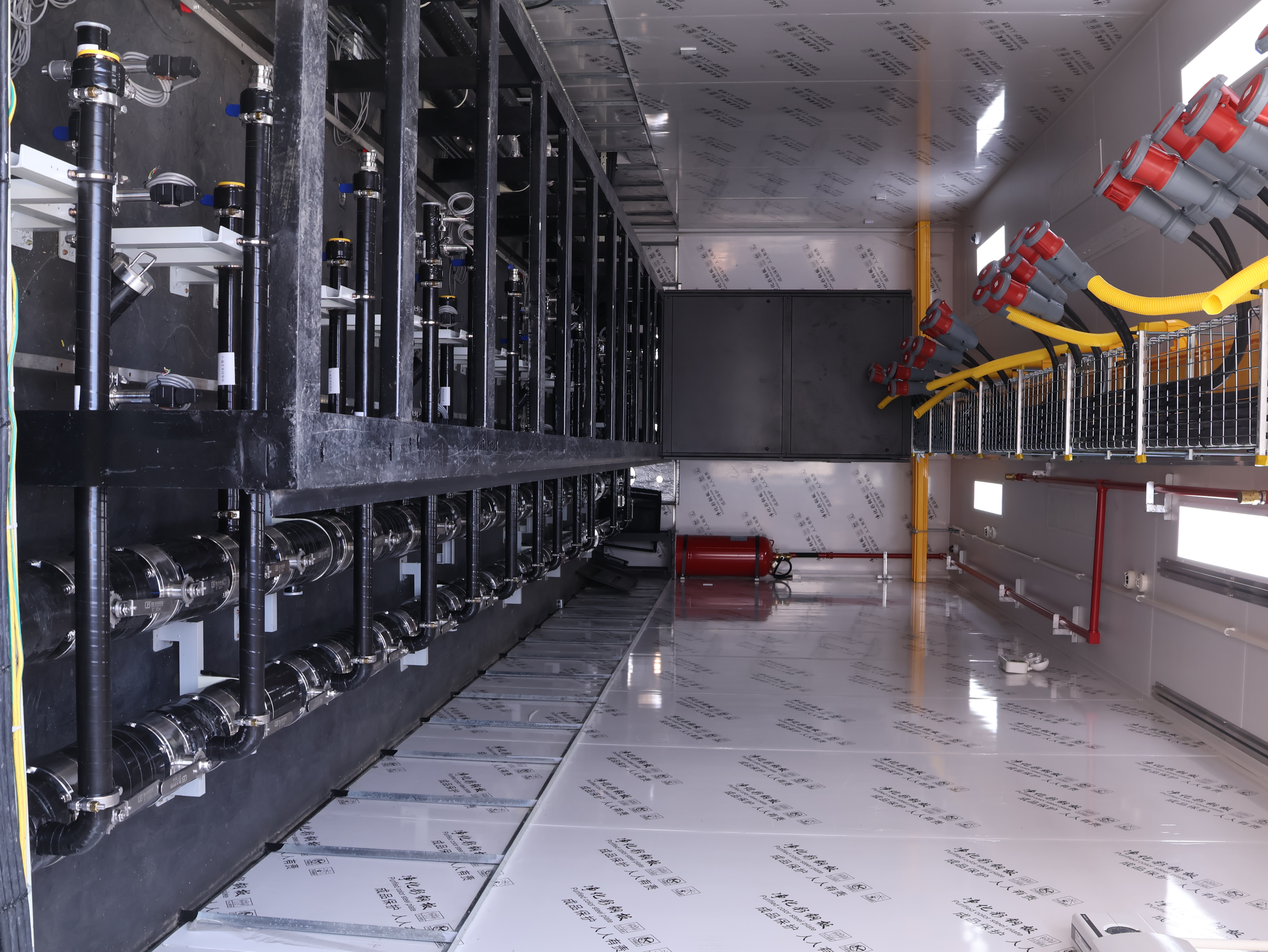
Liquid cooling technology has revolutionized the way data centers manage heat dissipation. Unlike traditional air cooling methods, which can struggle to maintain optimal temperatures in high-density environments, liquid cooling offers unmatched efficiency. By circulating coolant directly to heat-generating components, this method ensures that systems remain within safe operating temperatures, even under peak loads. The benefits extend beyond mere temperature control; liquid cooling systems can significantly reduce the overall energy footprint of a data center. As data centers increasingly adopt AI and machine learning technologies, the demand for high-performance computing continues to rise. This places additional strain on cooling systems, making it essential to implement advanced solutions. Liquid cooling not only meets these demands but also enhances the reliability of critical infrastructure. Furthermore, as sustainability becomes a priority for organizations worldwide, liquid cooling provides a pathway to greener operations by lowering energy consumption and reducing waste heat. As businesses look to the future, investing in liquid cooling technology is not just a smart choice; it’s a necessary step towards building a resilient and efficient data center.
09
Jul
04
Aug
07
Aug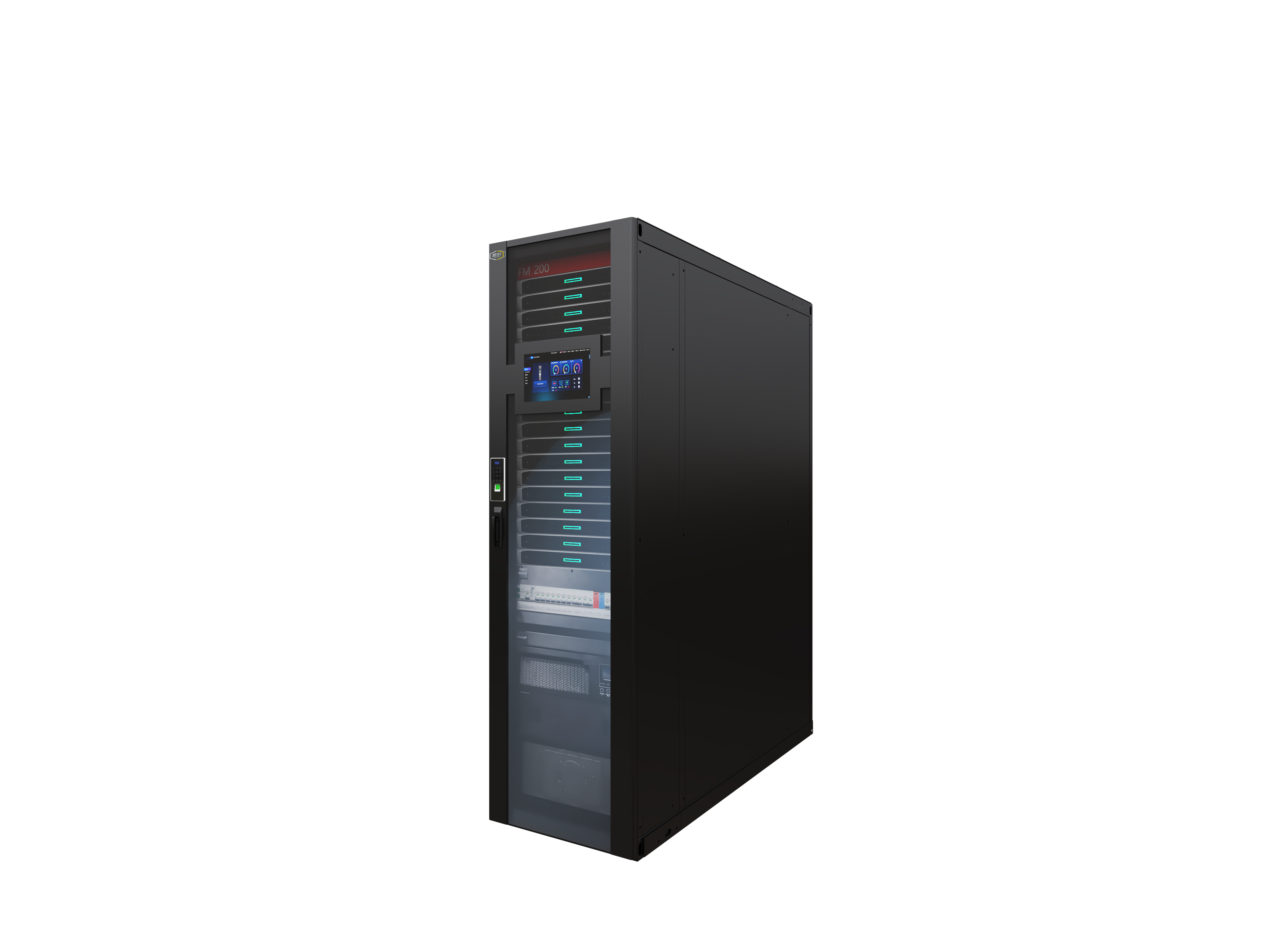
15
Aug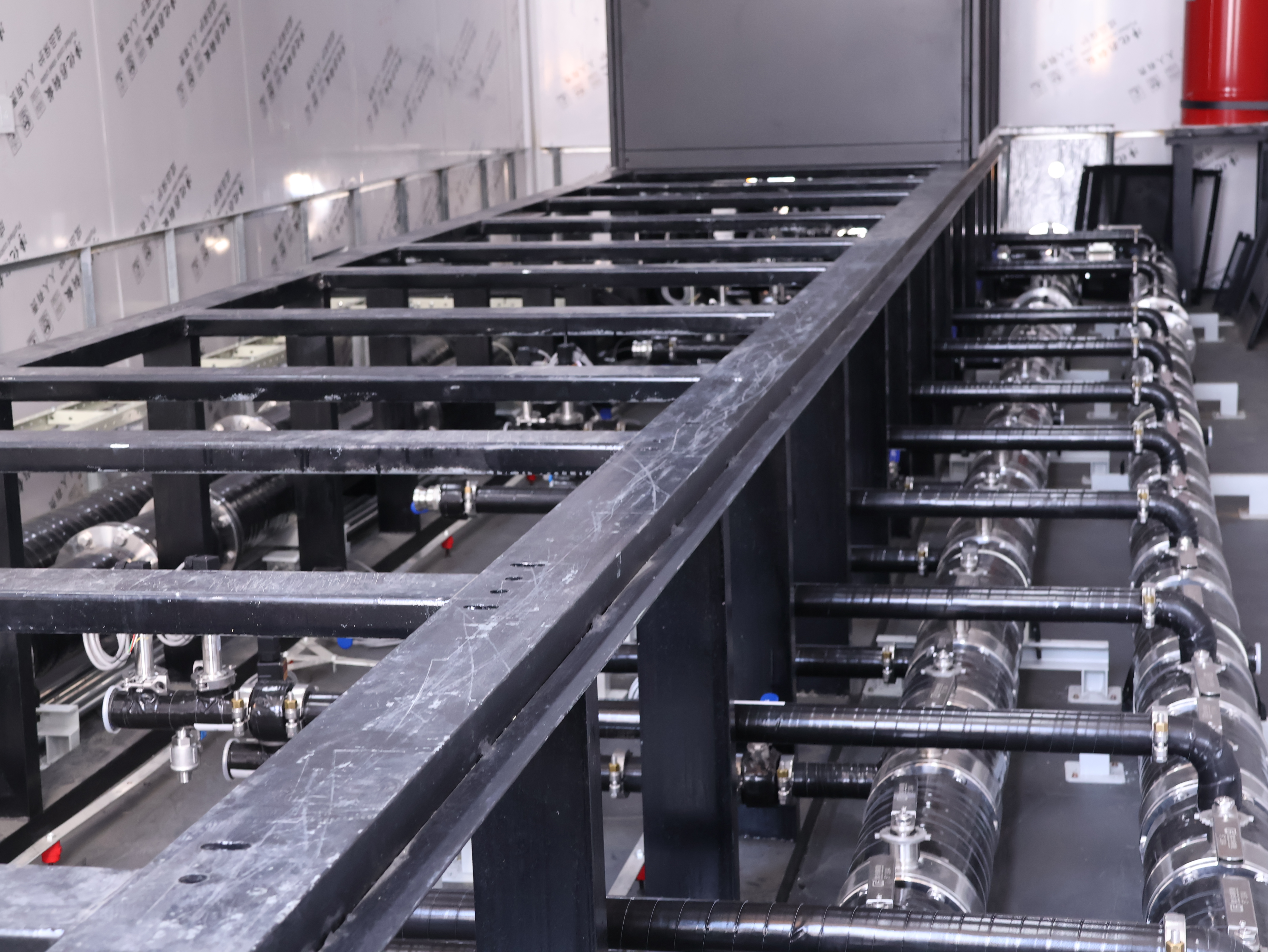

 EN
EN